
Facing water damage in your home is a challenging experience that demands immediate attention and a strategic approach to minimize the consequences. Swift and effective action, whether due to a burst damaged pipe, flooding, or any other unforeseen circumstance, is essential. For residents in Hawthorne dealing with such situations, the expertise of water damage specialists in Hawthorne becomes invaluable. These experts bring a wealth of knowledge, expertise, and resources to evaluate, alleviate, and rejuvenate your property, guaranteeing a comprehensive recovery process. In this guide, we will explore the necessary steps to take when confronted with water damage and highlight the crucial role played by water damage specialists in Hawthorne in safeguarding your home.
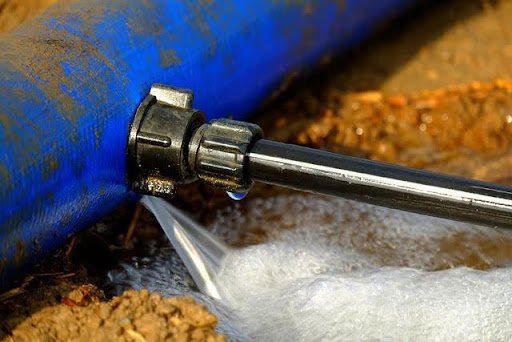
Here’s a step-by-step guide to help you navigate the aftermath:
Step-by-Step Guide
Ensure Safety
Before entering the water-damaged area, ensure that it is safe to do so. Turn off the electricity and gas to prevent accidents. Wear protective equipment like rubber gloves and boots to prevent exposure to potentially contaminated water.
Document the Damage
Take photographs or videos of the affected areas. This documentation can be crucial for insurance claims.
Stop the Water Source
Identify and halt the water source if it is still active. This might entail shutting off the primary water supply or repairing a leaking pipe.
Call Professionals
Contact a water damage restoration professional. They have the expertise and equipment to assess the damage and begin the cleanup process.
Contact Your Insurance Company
Reach out to your insurance company promptly to report the water damage. Furnish them with the documentation you’ve compiled to facilitate the claims process. Please provide them with the documentation you’ve collected.
Remove Standing Water
Use a wet/dry vacuum, pumps, or buckets to remove standing water. The sooner you can expel water, the less damage it will cause.
Dry Out the Area
Dehumidifiers and fans should be deployed to expedite the drying process in the affected area. Enhance ventilation by opening windows and doors.
Remove Damaged Items
Discard irreparable items, including wet carpets, insulation, and damaged furniture. These can harbor mold and pose health risks.
Clean and Disinfect
Thoroughly clean and disinfect all surfaces in contact with the water to mitigate potential health risks.
This helps prevent mold growth and bacterial contamination.
Inspect for Mold
Keep an eye out for signs of mold growth. If you notice anything, consult with professionals for proper remediation.
Inspect Structural Damage
Check for structural damage to walls, floors, and the foundation. Address any issues promptly to prevent further deterioration.
Check Electrical Systems
Have a professional inspect your electrical systems before restoring power to the affected areas.
Monitor for Health Issues
Be aware of any health issues that may arise, such as respiratory problems. If you notice symptoms, seek medical attention promptly.
Prevent Future Water Damage
Identify and address the cause of the water damage to prevent future incidents. This may involve repairing leaks, improving drainage, or installing sump pumps.
Keep Records
Keep all records of the water damage, including receipts for repairs and communication with your insurance company. This documentation is valuable for future reference.
Conclusion:
In conclusion, responding promptly and methodically to water damage in your home is crucial for minimizing the impact on your property and ensuring the safety of your living environment. By following the steps above—from documenting the damage to contacting professionals, removing standing water, and addressing potential health risks—you can navigate the aftermath of water damage more effectively.
For residents in the Jackson area, it’s particularly essential to enlist the expertise of reliable professionals to handle water damage restoration. Water Damage Contractors of Jackson bring invaluable experience, specialized knowledge, and the necessary equipment to assess, mitigate, and restore your property after water damage incidents. Their prompt and efficient services can make a significant difference in the recovery process, providing you with peace of mind and ensuring the longevity of your home. Remember, the key to successful water damage recovery lies in a swift and comprehensive response, and collaborating with Water Damage Contractors of Jackson can be instrumental in restoring your home to its pre-damage condition.
FAQ
FAQs (Frequently Asked Questions) about Water Damage:
How quickly should I respond to water damage in my home?
It’s crucial to respond immediately. The longer water sits, the more damage it can cause. Swift action helps minimize the impact on your property.
Can I handle water damage cleanup on my own?
While some minor cleanup tasks can be done by homeowners, it’s recommended to consult professionals for a thorough assessment and proper restoration. Water damage specialists have the expertise and equipment for effective cleanup.
What should I do if the water damage is due to a natural disaster?
Coordinate with local authorities, follow evacuation guidelines if necessary, and contact your insurance company promptly. Professionals specializing in disaster recovery can assist in assessing and addressing the damage.
How do I know if the water is contaminated?
Assume that any standing water is contaminated. If the water damage involves sewage, chemicals, or other hazardous materials, it’s essential to wear protective gear and consult professionals for safe cleanup.
Will my insurance cover water damage?
Most standard homeowner’s insurance policies cover sudden and accidental water damage, but coverage may vary. Contact your insurance company promptly, provide documentation, and discuss coverage details with your insurance agent.
How can I prevent mold growth after water damage?
Swiftly remove standing water, thoroughly dry the affected area, and use dehumidifiers. Additionally, clean and disinfect surfaces to inhibit mold growth. If mold is detected, consult professionals for proper remediation.
Are there long-term health risks associated with water damage?
Prolonged exposure to mold, bacteria, and contaminants in water-damaged areas can pose health risks. Be vigilant for symptoms like respiratory issues and seek medical attention if needed.
How can I prevent future water damage in my home?
Identify and address the root cause, such as leaks or poor drainage. Regularly maintain appliances, inspect the roof, and consider preventive measures like installing sump pumps or flood barriers.
What should I do if I discover structural damage during the cleanup process?
Consult with professionals to assess the extent of the damage and initiate timely repairs. Addressing structural issues promptly is essential to prevent further deterioration.
How can I keep track of expenses related to water damage for insurance claims?
Keep detailed records, including receipts for repairs, communication with professionals, and any expenses related to temporary shelter or relocation. This documentation is crucial for the insurance claims process.
Also read:
Home Drain Maintenance: A Useful Guide For Your Clean and Healthy Environment




Leave a Reply