HVAC stands for Heating, Ventilation, and Air Conditioning. It is a system that controls the climate within a building, ensuring comfort and indoor air quality. Properly designing and optimizing your home can significantly enhance the effectiveness and efficiency of your HVAC system.
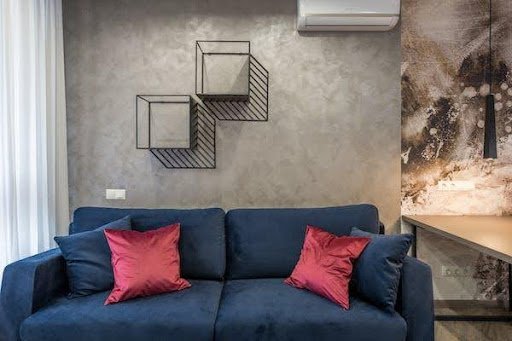
The key components of an HVAC system include the heating unit, air conditioning unit, ventilation system, and thermostat. Each component plays a crucial role in maintaining a comfortable indoor environment.
Optimizing Home Design for HVAC Efficiency
Types of HVAC Systems
There are various types of HVAC systems, including split systems, packaged systems, ductless systems, and geothermal systems. The choice of system depends on factors such as climate, size of the home, and energy efficiency goals.
Role of Ventilation
Ventilation is a critical aspect of HVAC optimization. Proper ventilation ensures the circulation of fresh air and the removal of pollutants, promoting a healthy indoor environment. Mechanical ventilation systems, such as air exchangers, can be incorporated to enhance air quality.
Role of Home Design
Effective home design can significantly impact HVAC efficiency. Key considerations include the placement of windows for natural light, insulation to minimize heat transfer, and the overall layout of the space. Well-designed homes reduce the workload on HVAC systems, leading to energy savings.
Role of Lighting
Natural and artificial lighting also plays a role in HVAC optimization. Strategic placement of windows and the use of energy-efficient lighting can reduce the need for additional heating or cooling. This not only benefits energy consumption but also contributes to the overall comfort of the living space.
Location of HVAC Systems
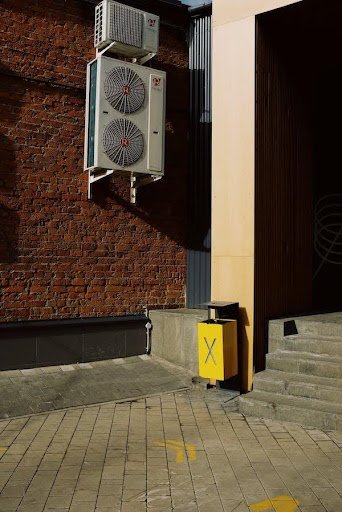
Where HVAC systems are placed within a home can influence their efficiency. Placing units in shaded areas, away from direct sunlight, and ensuring proper airflow around them can prevent overworking and increase their lifespan. Properly designed ductwork also minimizes energy loss during air distribution.
Communication between User and HVAC Systems
Modern HVAC systems often come with smart technology that allows users to control and monitor their systems remotely. This communication is crucial for optimizing HVAC efficiency. Users can adjust temperatures based on occupancy, set schedules, and receive alerts for maintenance, contributing to energy conservation.
Understanding the Impact of Humidity
Humidity plays a significant role in the comfort and well-being of your home. Excessive moisture can lead to a range of issues, including mold growth, musty odors, and damage to furniture and electronic equipment. On the other hand, low humidity levels can cause discomfort, respiratory problems, and even damage wooden structures. Achieving the right balance is essential for a healthy indoor environment.
The Role of HVAC Systems
Your home’s HVAC (Heating, Ventilation, and Air Conditioning) system is a key player in maintaining optimal humidity levels. Here’s how:
- Dehumidification with HVAC AC Repair: If your air conditioner is not functioning efficiently, it may struggle to dehumidify your home adequately. Regular HVAC AC repair ensures that your system is in top condition, effectively removing excess humidity and preventing issues like mold growth.
- Humidification with HVAC and Heating Services in Kenosha: In colder climates, when heating systems are in use, incorporating HVAC and heating services in Kenosha that include humidifiers becomes crucial. This not only enhances comfort but also prevents issues caused by excessively low humidity, such as dry skin and damage to wooden furniture.
- Ventilation for Improved Indoor Air Quality: Proper ventilation is crucial for controlling humidity. HVAC systems exchange indoor air with fresh outdoor air, helping to regulate moisture levels. Improved ventilation also contributes to better indoor air quality, enhancing the overall health of your home.
Tips for Effective Humidity Control and HVAC Maintenance
Now that you understand the vital role of HVAC systems in humidity control, here are some additional tips to ensure their effectiveness, while incorporating HVAC AC repair and HVAC and heating services:
– Regular HVAC Maintenance and AC Repair
Schedule routine maintenance for your HVAC system and promptly address any AC repair needs. Clean filters, coils, and ducts ensure optimal performance, allowing your system to effectively control humidity levels.
– Invest in a Humidity Monitor
Use a humidity monitor to keep track of indoor moisture levels. This allows you to adjust your HVAC settings as needed to maintain an ideal humidity range (usually between 30% and 50%).
– Proper Ventilation Practices
Ensure that your home is adequately ventilated. Use exhaust fans in kitchens and bathrooms, and consider opening windows when weather permits. This helps remove excess humidity and improve overall air circulation.
– Consider HVAC Upgrades for Efficient Heating Services
If your HVAC system is aging or inefficient, consider upgrading to a newer model with advanced humidity control features. Modern systems often come equipped with smart technology that allows for precise humidity regulation, coupled with efficient heating services.
Frequently Asked Questions (FAQs)
How can I tell if my HVAC system needs AC repair?
Watch for signs like reduced cooling efficiency, unusual noises, or water leakage. If you notice any of these, it’s advisable to schedule AC repair promptly.
What is the ideal humidity level for my home?
The recommended humidity range is between 30% and 50%. Use a humidity monitor to adjust your HVAC settings accordingly.
Can I install a humidifier in my HVAC system myself?
While some portable humidifiers can be DIY, integrating one into your HVAC system is best left to professionals to ensure proper installation and function.
How often should I schedule HVAC maintenance?
Regular HVAC maintenance, ideally twice a year, is crucial to keep your system operating efficiently and to catch potential issues before they escalate.




Leave a Reply