
There’s something genuinely clever about how most Australian roads are built. Rather than resisting every bit of load and movement with sheer rigidity, the vast majority of our roads are engineered as flexible road pavement, layered structures designed to flex slightly under traffic rather than crack outright like a rigid concrete slab. Understanding this simple distinction explains a surprising amount about how, and why, roads get maintained the way they do.
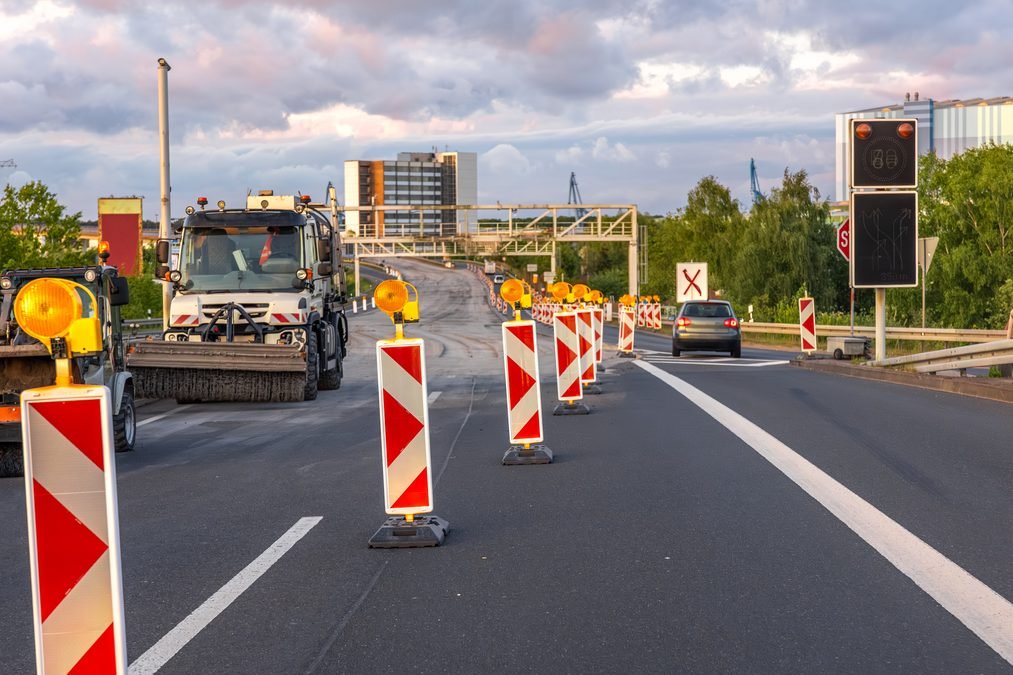
What Makes a Pavement “Flexible”
The term flexible pavement can sound a little counterintuitive at first, roads certainly don’t look like they’re bending. But at a microscopic level, that’s exactly the point. A flexible pavement is built from layers of bound and unbound materials, typically asphalt on top, supported by layers of granular material beneath, all designed to work together, distributing the weight of traffic down through the structure and allowing for slight, controlled flex rather than fighting every bit of movement rigidly.
This is genuinely different from rigid pavement, which is built from concrete slabs designed to resist bending almost entirely. Where a rigid pavement handles load through sheer stiffness, a flexible pavement handles it through distribution and controlled give, spreading the impact of each vehicle down through its layers rather than concentrating stress at a single point.
Why This Design Actually Works So Well
This flexible approach brings some genuinely practical advantages. Roads experience huge variation in load, temperature, and moisture over their lifetime, and a structure with a bit of built-in give handles that variability more gracefully than one built purely for rigidity. Flexible pavement can accommodate minor ground movement, temperature expansion and contraction, and the sheer repetition of traffic loading, without the sudden, brittle failure a more rigid structure might experience under the same conditions.
It’s also a genuinely practical choice from a construction and maintenance perspective. Flexible pavement can be built up in layers, each one doing its part to support the structure above, and crucially, it can be repaired and rejuvenated in layers too, rather than requiring the entire structure to be replaced every time surface wear appears.
Why Roads Wear Unevenly Over Time
Even with this clever layered design, flexible pavement does wear over time, traffic loading, weather, and general use all take their toll on the surface layer especially. This shows up as rutting, cracking, and general surface deterioration, the kind of wear most people associate with a road that’s “getting old.”
The genuinely good news here is that this wear tends to be concentrated in the upper layers rather than throughout the entire structure. A flexible pavement’s deeper layers often remain structurally sound well after the surface has started showing its age, which opens up a genuinely efficient path to restoring performance without needing to rebuild from the ground up.
How Road Profiling Services Restore Performance
This is exactly where road profiling services earn their value. Profiling involves precisely milling away the worn, damaged upper layer of a flexible pavement, removing surface rutting, cracking, and general deterioration, and leaving a clean, properly graded surface ready for fresh asphalt to be laid on top.
Because a flexible pavement’s structural layers often remain genuinely sound beneath the surface, profiling lets a road be restored to strong, smooth performance without the cost, disruption, and material waste of a full pavement reconstruction. It’s a genuinely efficient way to extend a road’s useful life considerably, tackling exactly the layer that’s actually worn while preserving the structural investment already built into the layers beneath.
Getting the Timing Right
Knowing when to profile and resurface a flexible road pavement matters just as much as knowing how to do it well. Catching surface deterioration at the right stage, before it progresses deep enough to compromise the structural layers beneath, keeps maintenance genuinely cost-effective and straightforward. Left too long, what could have been a straightforward profiling job can develop into something requiring more extensive structural repair.
This is why regular pavement condition assessment matters so much for road managers and councils, giving them the genuine insight needed to plan profiling and resurfacing works at exactly the right point in a pavement’s lifecycle, rather than reacting once damage has become severe and expensive to fix.
A Genuinely Smart Way to Build and Maintain Roads
Flexible pavement represents a genuinely elegant piece of everyday engineering, one that most people drive over every single day without ever thinking about the clever layered design working beneath their wheels. Its ability to flex, distribute load, and be restored in layers rather than rebuilt entirely is exactly what makes Australia’s road network genuinely maintainable at scale.
Understanding this distinction helps explain why the humble profiling truck is such a valuable, cost effective tool in keeping our roads performing well. It’s not just resurfacing for the sake of appearance, it’s a genuinely smart way of working with flexible pavement’s own design, restoring exactly the layer that needs it, and getting the most value out of the solid structural foundation already built beneath.



You must be logged in to post a comment.