
Have you ever walked into a room and felt like there was something off? Well you might be interested in Feng Shui. If you don’t know what this is, it is the ancient Chinese art of arranging spaces to optimize and control the flow of energy around the room. It’s important for modern life as it aims to destress, declutter and create calm in a space, which is particularly useful for busy everyday life.
But how do you do that? Not to worry, this guide aims to show you how to bring balance to your home with organisation tips, simple homeware swaps, with no major work or expensive renovations needed.
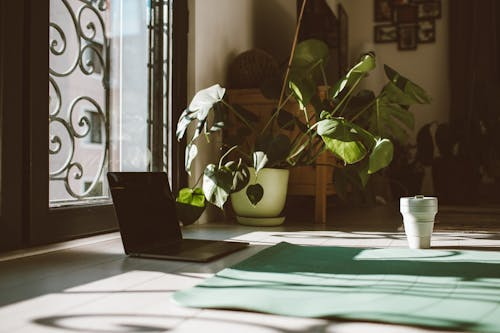
Feng Shui Basics
Feng Shui is all about harmony within the house by making simple swaps and changes to help energy flow or just general flow. In modern day terms, Feng Shui helps a space to be organised and decorated in a meaningful and purposeful way, so that it makes sense for the space and daily life. In short terms it aims to improve aesthetics and practicality by making small swaps and changes.
Its core principles include:
- The 5 elements: wood, fire, earth metal and water. These elements represent different energies in a room and should be balanced to maintain harmony. If one is too much or missing it can throw off the energy of the room and thus the energy of the person’s life, therefore they must remain balanced.
- The other feature of Feng Shui includes the Bagua map, that divides a space into 9 life areas such as career, wealth and family. These are shaped into a grid and that divides a singular space, such as your living room in your house. If there is one area of your life that isn’t as successful you might look at the grid and change this part of the room that this corresponds with.
- Chi (Qi) is the flow of energy or vital life force around a location. By optimising these life flows , you can gain positive energy around a room ,which leads to positive outcomes in life.
Living Room — From Clutter to Calm
For the living room, it’s important to consider the energies that you want in that space. These energies are conversation, connection and rest so this is what your energies and lay out should reflect.
Swap ideas
- Swap harsh lighting for soft warm toned lamps
- Organise cluttered coffee tables through trays or classic table pieces
- Organise large and chunky future in an open plan to allow energy flow
Other things that you can think about for the living room space, is the addition of the water element of the 5 elements to add further balance. This could be a small fountain or water feature, or even just a reflective surface. Also, a bonus thing to think about, is avoiding sharp edges and prioritising rounded shapes. Not only is this practical in smaller spaces, as it can avoid bumping into sharp objects, but it further aids and softens the flow of positive energy.
Bedroom — Inviting Restful Energy
The main energy focus of the bedroom should be restoration, grounding and romance as the bedroom is a place where rejuvenation and zen should take place. There are a few swaps that are essential to allow the best flow of energy.
Swap ideas:
- Hide or cover tv or technology to remove distracting and stimulating energy
- Avoid mismatched furniture such as lamps and prioritise symmetry
- Swap old and heavy bedding for soft materials in neutral colours or even neutral coloured luxury throws.
Another very significant part of bedroom Feng shui, is the position and layout of the room. It is important that the bed is positioned in the command position of the room, which is directly across from the door but not inline with it. Putting the head of the bed next to a window, door or opposite a mirror is a big no, as bad energies can reach you whilst you are sleeping.
Kitchen — Nourishing Chi
The energy focus in the kitchen should be health, abundance and nurturing energy as this is a place to refuel and focus on health.
- Avoid dead zones on counter tops by decorating with bowls of fruit
- Replace plastic containers or bowls with natural materials such as glass or wood
- Keep counters clear and uncluttered, highlighting designated cooking zones
Another great tip is to always keep the fire element in the kitchen (the stove) clear and clean to ensure that balance is maintained.
Entryway — Welcoming Positive Energy
The entry way is where energy enters the home, therefore it’s extremely important that it sets the tone by guiding the energy in the right way. The energy that you want to bring into this space is a welcoming energy and you can achieve this through several simple homeware swaps and strategic placements. By paying attention to details like lighting, colors, and the arrangement of objects, you can create a positive and inviting atmosphere right from the moment you step through the door.
- Organise shoes into shoe racks or baskets to avoid looking messy
- Introduce warm light into the space with mounted fixtures.

Decluttering Does Magic
Decluttering is essential for Feng Shui, as excess clutter blocks energy flow and disrupts Chi, leading to stagnation in your life. To begin, evaluate each item in your home: does it support your desired life energy and contribute positively to your well-being? It’s often helpful to start room by room, tackling one area at a time to avoid feeling overwhelmed. For those who struggle to let go of possessions, the Marie Kondo method can be particularly effective, encouraging gratitude for an item’s past purpose before decluttering it.
Feng Shui your home
Feng Shui doesn’t require a spiritual transformation, but rather subtle adjustments that enhance your well-being. Even a few of these suggestions can help your home feel harmonious, leaving behind any sense of unease that could be lingering in your home. Why not try one of these simple swaps this weekend? You might be surprised by the sense of lightness in your space – and your mind.





You must be logged in to post a comment.