
You may feel like building a custom property on Marco Island, Florida. The scenic beauty is amazing, and the laid-back island pace feels so nice. However, that tropical paradise does come with some drawbacks, too. Those who live here also deal with the harsh weather conditions. There is intense heat, relentless humidity, and storms that can test your patience. You may end up paying high energy bills.
However, you can try to find a balance between sustainable design and luxury living. Hire a capable builder to renovate or modify your home with eco-friendly features.

Understanding the environmental factors well
Marco Island sits in a subtropical zone and faces intense heat most of the year. Summer temperatures hit the low 90s, but the humidity makes it feel hotter. The heat is not the only issue here. The salty air will corrode materials faster than it does in inland areas. There can be occasional storm surges and flooding issues.
Sustainable design is what you need to address all of these factors. However, you should not cut down on comfortable living either.
Using solar energy in the right way

With top home builders, you can find suitable solar-powered systems to run your appliances in your island home. A veteran Marco Island custom home builder will help you find sleek, low-profile panels that don’t affect the house’s exterior appeal.
A properly sized system can help you reduce more than 70% of your energy bills. For a home running a central air conditioning system most of the year, that is useful.
Why investing in a battery backup matter?
To save the most on energy consumption and live comfortably, a battery backup is a must. During hurricane season, power outages are common. Only a powerful battery backup will keep your lights and appliances running for hours when the grid is down.
Getting the right windows and doors

Most residents in Marco Island use Impact-resistant windows. However, not all of them score well on energy saving. Premium impact windows have low-emissivity coatings that reflect infrared light. But they allow visible light through. These coatings can reduce heat gain by 30-50%, and so your HVAC system is not loaded much. They also protect your furniture, artwork, and flooring from UV ray fading.
Only top, trusted builders can install these windows properly. They use proper flashing, sealing, and insulation around window frames.
Water conservation is important
Marco Island’s water comes from deep aquifer wells. However, that does not mean you should not focus on conservation.
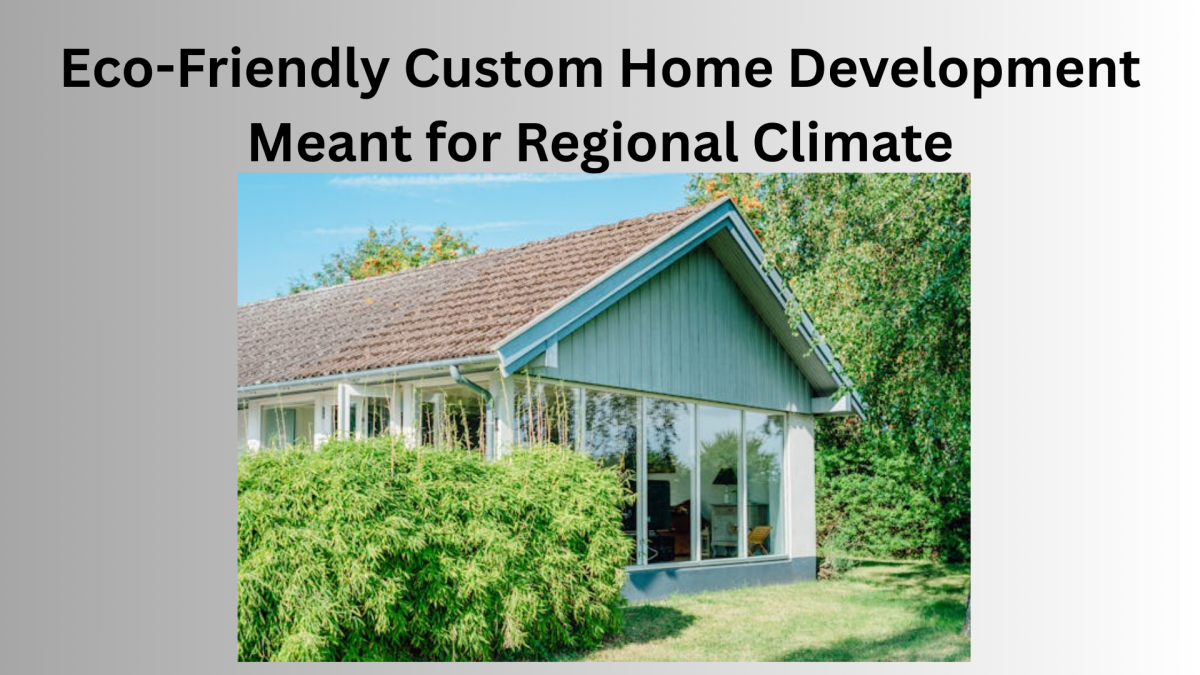
Green custom home building is no longer a niche concept, it is rapidly turning out to be the new way of responsible living that is future-focused. With the homeowners increasingly becoming conscious of the climatic change, the increase in energy costs and the effects it has on the environment, there has been a change towards homes that can be compatible with nature and not opposed to it. It is best accomplished by incorporating home design and building to suit the local climatic conditions. The custom home, however, would be more comfortable, energy-efficient, and long-term sustainable when it is designed to fit the immediate surroundings of the area.
Getting a sense of the Significance of Climate-Responsive Design

Each area has its own environmental factors, such as the degree of temperatures, rainfall, degree of humidity, direction of wind, and degree of exposure to the sun. Green custom houses consider these factors at the very initial stages of planning. Climate-sensitive houses do not depend on a large-scale use of mechanical heating and cooling but rather employ smart design concepts to control the level of in-door comfort naturally.
In the case of hot and humid areas, for example, houses should have an open plan, be cross-ventilated, and have shade outdoors to minimize the heat. In colder climates, compact designs, high-quality insulation and location of windows can be used to keep the warm inside and capitalize on solar gain. These homes use a lesser amount of energy and produce a smaller carbon footprint since they adapt to the conditions of the climate region.
Natural Light Optimization and Site Orientation
Proper orientation of the site is one of the pillars of the eco-friendly custom home development. Placing the house in such a way that it can harness the available natural sunlight and the winds can greatly enhance the efficiency of energy. Homes in cooler climates can get the heat in through the south-facing windows in the winter season, whereas in warmer areas overhangs or louvers can stop any overheating.
During hot weather it is important that the direct sun exposure is limited especially during the hot hours. Careful placement of windows, reflective roofing and greenery like trees or green buffers can be used to keep the home cool without the use of an air conditioner. Effective use of daylight also minimizes the artificial lighting and use of electricity is minimized during the year.
Green Materials Adaptable to Local Environment

Another important feature of green custom homes is the selection of building material that is in line with the climate of the area. Local materials do not only lower transportation emissions since in most cases, they are designed to withstand the local weather. To point out the example, stone, brick, or rammed earth may offer an outstanding thermal mass in areas with large changes in temperature levels to stabilize the indoor temperatures.
When in the coastal or humid regions, moisture, mould, and corrosion resistant materials are necessary in the enhancement of durability and indoor air quality. Eco-friendly options such as bamboo, reclaimed wood and low-VOC finishes are rather promising and can work in most climates, helping to create healthier living conditions.
Passive Design Strategy and Energy-Efficient Systems
The development of custom homes that are eco-friendly focuses on passive design measures – the features that inherently control the temperature without the help of mechanical systems. These are thick insulation, airtight construction, thermal mass walls and vents that are strategically located. Combined with energy-efficient HVAC systems, this makes the home consume much less energy and still at a consistent level of comfort.
There is also a regional difference in the integration of renewable energy. The solar panels are very useful in regions that receive a lot of sunlight whereas geothermal systems can be suitable in regions with consistent underground temperatures. The systems of rainwater harvesting are especially appreciated in regions with frequent droughts, as they allow the owners of houses to save water and save some money on utilities.
Benefits of Eco Homes Adapted to Climate in the Long term
A custom house, and in particular an eco-friendly structure designed to accommodate the climate of that area, is financially and economically beneficial in the long run. The fact that it results in lower energy and water bills, less maintenance costs and better quality of life and increase in property value is all helping. Also, such houses are better resistant to extreme weather conditions, which are becoming more frequent because of the climate change.
In a bigger view, custom homes that are climate-responsive are beneficial to the local ecosystem and also help alleviate pressure on the community-based utility systems. They are a progressive attitude towards housing – the one that cannot be called less comfortable than modern and at the same time doing no harm to the environment.
Conclusion
Veteran home builders can guide you in making your home sustainable without cutting on comfort. Entities have assisted many clients with such needs so far. Check the website for some ideas.


You must be logged in to post a comment.