
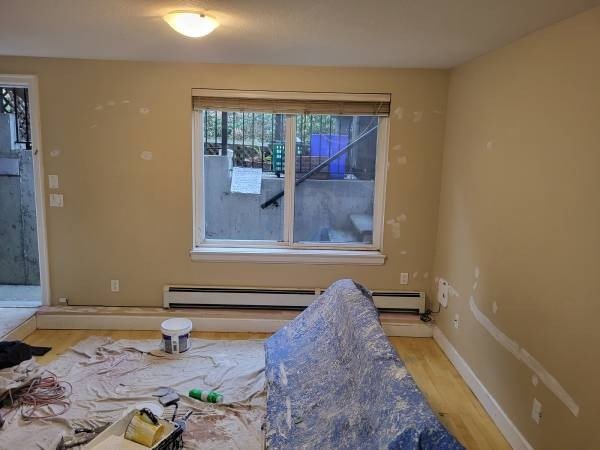
Renovating a home is more than just updating outdated feature sit’s about reimagining the space with modern design principles that enhance comfort, functionality, and style. Today’s homeowners seek clean lines, open layouts, smart storage, and high-quality finishes. However, achieving a modern renovation requires more than a good eye for design. It requires precise planning, accurate budgeting, and reliable estimating services to avoid costly mistakes. In this article, we’ll explore the best practices for integrating modern design principles in residential renovations while highlighting the importance of professional estimating services such as Flooring Estimating Services, painting estimating services, and Drywall Estimating Services.
1. Start with a Clear Vision and Modern Design Goals
Modern design begins with a clear vision. Before demolition starts, homeowners and contractors should agree on design goals such as:
- Minimalist aesthetics (clean lines, uncluttered spaces)
- Open-concept layouts (removing walls to create flow)
- Natural light maximization (larger windows, skylights)
- Sustainable materials (eco-friendly flooring, energy-efficient fixtures)
- Smart home integration (automation, smart lighting, HVAC)
A well-defined vision reduces confusion and helps the renovation team stay focused on the desired outcome. Additionally, clear goals make it easier to prioritize budget allocation especially when balancing style upgrades with structural needs.
2. Create a Functional Layout First
Modern design is not just about aesthetics; it’s about functionality. The best modern renovations focus on optimizing space and improving everyday usability. This includes:
- Creating open, airy rooms
- Improving traffic flow
- Adding functional storage
- Designing multi-purpose areas
When redesigning a home, consider how each space will be used daily. For example, a kitchen island can double as a workspace and dining area, while built-in storage can reduce clutter in living spaces. Functional design ensures the renovation looks modern and feels practical.
3. Invest in High-Quality Materials and Finishes
Modern design emphasizes quality over quantity. Choosing premium materials improves the home’s appearance and increases long-term value. Key areas to focus on include:
- Flooring: modern homes often feature hardwood, engineered wood, or luxury vinyl plank
- Walls: smooth finishes, neutral tones, and accent walls
- Cabinetry and countertops: sleek finishes, durable surfaces, and minimalist hardware
- Lighting: layered lighting with recessed fixtures and statement pendants
To maintain budget control while using high-end materials, it’s essential to work with professional estimating services. For example, Flooring Estimating Services help contractors calculate precise costs for materials and installation, ensuring the project stays within budget without compromising on quality.
4. Embrace Neutral Color Palettes with Bold Accents
A modern color palette usually includes neutral shades such as white, beige, gray, and soft earth tones. These colors create a clean and timeless look. To add personality, designers often introduce bold accents through:
- Statement walls
- Modern artwork
- Accent furniture
- Decorative lighting fixtures
Painting is a critical component of modern renovations, and accurate planning is essential to avoid unexpected costs. Estimating services provide detailed cost breakdowns, helping homeowners understand the investment required for high-quality paint finishes and modern color schemes.
5. Prioritize Natural Light and Smart Lighting Design
Modern homes rely heavily on natural light to create open and welcoming spaces. Renovations that maximize natural light can include:
- Installing larger windows
- Adding skylights
- Removing interior walls that block light
- Using reflective surfaces and light-colored finishes
In addition to natural light, modern lighting design includes layered lighting: ambient, task, and accent lighting. This approach creates depth and functionality, making rooms feel more spacious and stylish.
6. Use Open Concept Design Wisely
Open-concept layouts are a hallmark of modern design, but they must be executed carefully. Removing walls can improve flow but may require structural support, which increases costs. Before making changes, consult with architects and structural engineers to ensure the design is safe and feasible.
In many renovations, drywall plays a crucial role in achieving a seamless modern look. Accurate planning is essential, and Drywall Estimating Services help contractors estimate the correct amount of materials, labor, and time needed to deliver smooth, modern walls and ceilings.
7. Blend Modern Style with Practical Storage Solutions
Minimalism can quickly turn into clutter if storage is not thoughtfully planned. Modern renovations should include built-in storage solutions that maintain clean lines, such as:
- Hidden cabinetry
- Built-in closets
- Under-stair storage
- Floating shelves
- Integrated kitchen pantry systems
These features keep spaces organized while preserving a modern aesthetic.
8. Choose Smart Home Technology for a Modern Edge
Modern renovations often incorporate smart home technology for convenience and efficiency. Consider integrating:
- Smart thermostats
- Automated lighting systems
- Smart security cameras
- Voice-controlled assistants
- Energy-efficient appliances
Smart home upgrades enhance the home’s functionality and appeal, especially for buyers in the future.
9. Work with Skilled Contractors and Reliable Estimators
A successful modern renovation requires a coordinated team. Contractors, designers, and estimators must work together to ensure the project is completed on time and within budget. Professional estimating services are essential for accurate planning and cost control, including:
- Flooring Estimating Services for precise flooring budgets
- Painting estimating services for accurate paint and labor costs
- Drywall Estimating Services to ensure correct material quantities and labor estimates
By relying on experts, homeowners can avoid costly mistakes and delays, resulting in a modern renovation that looks stunning and performs well.
10. Keep Future Resale Value in Mind
Modern design should also consider long-term value. Renovations that follow current trends while maintaining timeless elements are more likely to attract buyers in the future. Focus on:
- Neutral colors
- Durable materials
- Energy-efficient upgrades
- Functional layouts
- Quality craftsmanship
This approach ensures the home remains desirable for years to come.
Conclusion
Integrating modern design principles in residential renovations requires thoughtful planning, quality materials, and accurate estimating. A successful modern renovation is not only visually appealing but also functional, efficient, and built to last. By working with skilled professionals and leveraging reliable estimating services such as Flooring Estimating Services, painting estimating services, and Drywall Estimating Services, homeowners can achieve a modern transformation that enhances both lifestyle and property value.




You must be logged in to post a comment.